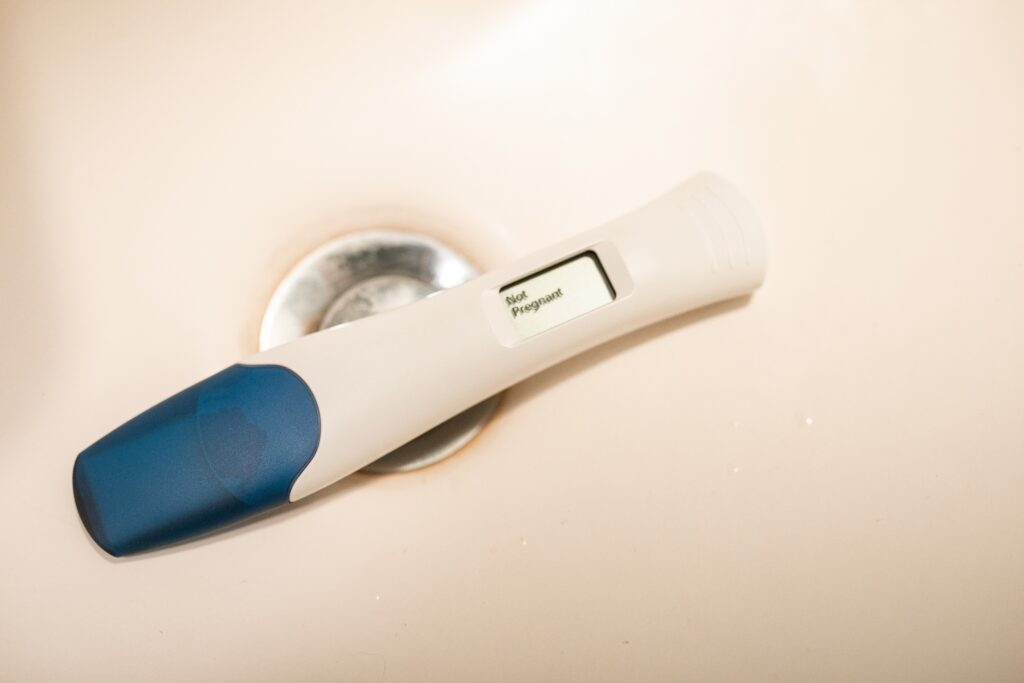

Best Gynae Care That You Can Trust

If you are looking for a reliable best gynecologist in Delhi, then Dr. Ruchi Mishra is your perfect fit. Being a gynecologist, she is well known for the best and affordable treatment procedures with quick appointments and timely solutions. 

Book a free consultation

About Your Doctor

Meet Dr. Ruchi Mishra

Dr. Ruchi Mishra is a highly experienced gynecologist based in Delhi. With over 15 years of dedicated practice in the field of gynecology, she has established herself as a well-known and respected professional. Located in the Delhi University area, Dr. Ruchi Mishra has successfully treated over 10,000 patients, specializing in various areas including pregnancy problems, pelvic infections, multiload insertion, D&C, abortions, and cysts in the uterus. Her expertise also extends to infertility treatments, having helped more than 5,000 patients with medicine-based solutions.


Why Choose Us

Our Procedures

Antenatal Care

Antenatal refers to the period of time before childbirth, specifically focusing on the care and support provided to a pregnant woman and her developing fetus. Antenatal care, also known as prenatal care, involves a series of medical check-ups, tests, and interventions designed to monitor the health and well-being of both the mother and the baby during pregnancy.

Antenatal care plays a crucial role in ensuring a healthy pregnancy and reducing the risk of complications for both the mother and the baby. It involves regular visits to healthcare professionals, such as doctors, midwives, or obstetricians, who provide essential guidance, support, and medical interventions.

During antenatal care, healthcare providers typically monitor the mother’s blood pressure, weight, and overall health. They may perform various tests and screenings, such as blood tests, ultrasound examinations, and genetic screenings, to assess the development of the fetus and identify any potential issues or risks. Antenatal care also includes discussions on nutrition, exercise, emotional well-being, and preparation for labor and childbirth.

The frequency and content of antenatal care can vary depending on factors such as the stage of pregnancy, the health of the mother and the baby, and any specific risk factors. It is important for pregnant women to attend all recommended antenatal care visits to ensure the best possible outcomes for both themselves and their babies.

Antenatal Care

Antenatal refers to the period of time before childbirth, specifically focusing on the care and support provided to a pregnant woman and her developing fetus. Antenatal care, also known as prenatal care, involves a series of medical check-ups, tests, and interventions designed to monitor the health and well-being of both the mother and the baby during pregnancy.

Antenatal care plays a crucial role in ensuring a healthy pregnancy and reducing the risk of complications for both the mother and the baby. It involves regular visits to healthcare professionals, such as doctors, midwives, or obstetricians, who provide essential guidance, support, and medical interventions.

During antenatal care, healthcare providers typically monitor the mother’s blood pressure, weight, and overall health. They may perform various tests and screenings, such as blood tests, ultrasound examinations, and genetic screenings, to assess the development of the fetus and identify any potential issues or risks. Antenatal care also includes discussions on nutrition, exercise, emotional well-being, and preparation for labor and childbirth.

The frequency and content of antenatal care can vary depending on factors such as the stage of pregnancy, the health of the mother and the baby, and any specific risk factors. It is important for pregnant women to attend all recommended antenatal care visits to ensure the best possible outcomes for both themselves and their babies.

Polycystic Ovary Syndrome (PCOD)

PCOD stands for Polycystic Ovary Syndrome. It is a hormonal disorder that affects women of reproductive age. PCOD is characterized by the presence of small cysts (fluid-filled sacs) on the ovaries, along with hormonal imbalances.

Common symptoms of PCOD include irregular or absent menstrual periods, excessive hair growth (hirsutism), acne, weight gain, and difficulty in getting pregnant. The exact cause of PCOD is not known, but it is believed to involve a combination of genetic and environmental factors.

PCOD can lead to long-term health complications if left untreated, such as insulin resistance, diabetes, high blood pressure, and an increased risk of developing cardiovascular diseases. Treatment for PCOD typically focuses on managing the symptoms and may include lifestyle changes (such as a healthy diet and regular exercise), medications to regulate menstrual cycles and hormone levels, and fertility treatments for those trying to conceive.

If you suspect you have PCOD or are experiencing any symptoms associated with it, it is important to consult with a healthcare professional for an accurate diagnosis and appropriate management.

Polycystic Ovary Syndrome (PCOD)

PCOD stands for Polycystic Ovary Syndrome. It is a hormonal disorder that affects women of reproductive age. PCOD is characterized by the presence of small cysts (fluid-filled sacs) on the ovaries, along with hormonal imbalances.

Common symptoms of PCOD include irregular or absent menstrual periods, excessive hair growth (hirsutism), acne, weight gain, and difficulty in getting pregnant. The exact cause of PCOD is not known, but it is believed to involve a combination of genetic and environmental factors.

PCOD can lead to long-term health complications if left untreated, such as insulin resistance, diabetes, high blood pressure, and an increased risk of developing cardiovascular diseases. Treatment for PCOD typically focuses on managing the symptoms and may include lifestyle changes (such as a healthy diet and regular exercise), medications to regulate menstrual cycles and hormone levels, and fertility treatments for those trying to conceive.

If you suspect you have PCOD or are experiencing any symptoms associated with it, it is important to consult with a healthcare professional for an accurate diagnosis and appropriate management.

Medical Termination of Pregnancy (MTP)

MTP stands for Medical Termination of Pregnancy. It refers to the process of intentionally ending a pregnancy through medical procedures or medications. MTP is commonly known as abortion. Abortion or MTP can be performed for various reasons, including personal choice, health risks to the mother or fetus, fetal abnormalities, or pregnancy resulting from rape or incest. The specific laws and regulations regarding MTP vary by country and region.

In many cases, MTP is performed during the early stages of pregnancy, typically within the first trimester. Different methods can be used depending on the gestational age and medical circumstances. These methods may include medication-induced abortion, such as the use of mifepristone and misoprostol, or surgical procedures like suction aspiration or dilation and evacuation (D&E).

It’s important to note that MTP should be carried out in a safe and legal manner under the supervision of qualified healthcare professionals. In many countries, there are legal restrictions and regulations surrounding abortion, and access to safe and legal MTP services is a crucial aspect of reproductive healthcare for women. If someone is considering an MTP, it is advisable to consult with a healthcare provider or a clinic that specializes in reproductive health to understand the available options, procedures, and any legal considerations in their specific locations

Medical Termination of Pregnancy (MTP)

MTP stands for Medical Termination of Pregnancy. It refers to the process of intentionally ending a pregnancy through medical procedures or medications. MTP is commonly known as abortion. Abortion or MTP can be performed for various reasons, including personal choice, health risks to the mother or fetus, fetal abnormalities, or pregnancy resulting from rape or incest. The specific laws and regulations regarding MTP vary by country and region.

In many cases, MTP is performed during the early stages of pregnancy, typically within the first trimester. Different methods can be used depending on the gestational age and medical circumstances. These methods may include medication-induced abortion, such as the use of mifepristone and misoprostol, or surgical procedures like suction aspiration or dilation and evacuation (D&E).

It’s important to note that MTP should be carried out in a safe and legal manner under the supervision of qualified healthcare professionals. In many countries, there are legal restrictions and regulations surrounding abortion, and access to safe and legal MTP services is a crucial aspect of reproductive healthcare for women. If someone is considering an MTP, it is advisable to consult with a healthcare provider or a clinic that specializes in reproductive health to understand the available options, procedures, and any legal considerations in their specific locations

Infertility

Infertility refers to the inability to conceive a child or carry a pregnancy to full term after a year of regular, unprotected sexual intercourse. It is a condition that affects both men and women and can have various causes.

Causes of infertility in women can include hormonal imbalances, ovulation disorders, blocked fallopian tubes, structural abnormalities in the reproductive organs, endometriosis, polycystic ovary syndrome (PCOS), and age-related factors. In men, infertility can be caused by issues such as low sperm count, poor sperm motility or morphology, hormonal imbalances, genetic disorders, testicular problems, or previous infections.

There are also cases of unexplained infertility, where no specific cause can be identified despite thorough testing.

Infertility can be a source of emotional distress and can have a significant impact on individuals and couples. However, there are various medical interventions and fertility treatments available to help overcome infertility and increase the chances of conception. These can include lifestyle changes, fertility medications to stimulate ovulation or improve sperm quality, surgical procedures to address structural abnormalities, intrauterine insemination (IUI), in vitro fertilization (IVF), and other assisted reproductive technologies (ART).

It is recommended for couples struggling with infertility to seek medical advice from a fertility specialist or reproductive endocrinologist. These specialists can conduct a thorough evaluation, diagnose the underlying cause, and recommend appropriate treatment options based on individual circumstances. Additionally, counseling and support groups can provide emotional support during the journey of infertility.

Infertility

Infertility refers to the inability to conceive a child or carry a pregnancy to full term after a year of regular, unprotected sexual intercourse. It is a condition that affects both men and women and can have various causes.

Causes of infertility in women can include hormonal imbalances, ovulation disorders, blocked fallopian tubes, structural abnormalities in the reproductive organs, endometriosis, polycystic ovary syndrome (PCOS), and age-related factors. In men, infertility can be caused by issues such as low sperm count, poor sperm motility or morphology, hormonal imbalances, genetic disorders, testicular problems, or previous infections.

There are also cases of unexplained infertility, where no specific cause can be identified despite thorough testing.

Infertility can be a source of emotional distress and can have a significant impact on individuals and couples. However, there are various medical interventions and fertility treatments available to help overcome infertility and increase the chances of conception. These can include lifestyle changes, fertility medications to stimulate ovulation or improve sperm quality, surgical procedures to address structural abnormalities, intrauterine insemination (IUI), in vitro fertilization (IVF), and other assisted reproductive technologies (ART).

It is recommended for couples struggling with infertility to seek medical advice from a fertility specialist or reproductive endocrinologist. These specialists can conduct a thorough evaluation, diagnose the underlying cause, and recommend appropriate treatment options based on individual circumstances. Additionally, counseling and support groups can provide emotional support during the journey of infertility.

Pelvic Inflammatory Disease (PID)

PID stands for Pelvic Inflammatory Disease. It is an infection that affects the female reproductive organs, including the uterus, fallopian tubes, and ovaries. PID is typically caused by sexually transmitted infections (STIs), such as chlamydia and gonorrhea. However, other types of bacteria, including those found in the vagina, can also cause PID.

When bacteria enter the vagina and travel upward into the reproductive organs, they can cause inflammation and infection in the pelvic region. Untreated STIs are a common cause of PID, but other factors that can increase the risk include multiple sexual partners, a history of PID or previous STIs, unprotected sex, and intrauterine device (IUD) use.

The symptoms of PID can vary in severity and may include pelvic pain, abdominal pain, unusual vaginal discharge, painful urination, painful intercourse, irregular menstrual bleeding, and fever. However, some women may not experience any noticeable symptoms.

If left untreated, PID can lead to serious complications, such as chronic pelvic pain, infertility, ectopic pregnancy (pregnancy outside the uterus), and an increased risk of tubo-ovarian abscesses (pus-filled pockets in the fallopian tubes or ovaries).

Diagnosis of PID typically involves a combination of medical history evaluation, physical examination, laboratory tests (including blood tests and vaginal swabs), and imaging tests, such as ultrasound or laparoscopy.

The primary treatment for PID involves antibiotics to eradicate the infection. Depending on the severity of the infection and the presence of complications, hospitalization may be required. It is essential to treat PID promptly to prevent further complications and to prevent the spread of infection to sexual partners.

Prevention of PID includes practicing safe sex, using barrier methods (such as condoms), getting regular STI screenings, and seeking prompt treatment for any suspected infections.

Pelvic Inflammatory Disease (PID)

PID stands for Pelvic Inflammatory Disease. It is an infection that affects the female reproductive organs, including the uterus, fallopian tubes, and ovaries. PID is typically caused by sexually transmitted infections (STIs), such as chlamydia and gonorrhea. However, other types of bacteria, including those found in the vagina, can also cause PID.

When bacteria enter the vagina and travel upward into the reproductive organs, they can cause inflammation and infection in the pelvic region. Untreated STIs are a common cause of PID, but other factors that can increase the risk include multiple sexual partners, a history of PID or previous STIs, unprotected sex, and intrauterine device (IUD) use.

The symptoms of PID can vary in severity and may include pelvic pain, abdominal pain, unusual vaginal discharge, painful urination, painful intercourse, irregular menstrual bleeding, and fever. However, some women may not experience any noticeable symptoms.

If left untreated, PID can lead to serious complications, such as chronic pelvic pain, infertility, ectopic pregnancy (pregnancy outside the uterus), and an increased risk of tubo-ovarian abscesses (pus-filled pockets in the fallopian tubes or ovaries).

Diagnosis of PID typically involves a combination of medical history evaluation, physical examination, laboratory tests (including blood tests and vaginal swabs), and imaging tests, such as ultrasound or laparoscopy.

The primary treatment for PID involves antibiotics to eradicate the infection. Depending on the severity of the infection and the presence of complications, hospitalization may be required. It is essential to treat PID promptly to prevent further complications and to prevent the spread of infection to sexual partners.

Prevention of PID includes practicing safe sex, using barrier methods (such as condoms), getting regular STI screenings, and seeking prompt treatment for any suspected infections.

Call Today

+91 9891606250

Shrishti Gynae Clinic

First Floor,40, Mandelia Rd above watch point show room, near spark mall, block UB, Jawahar Nagar, Kamla Nagar, Delhi 110007

Schedule a Virtual Appointment